
If you’ve noticed chalky white stains on your faucets, dry skin after showers, or spotty dishes straight from the dishwasher, you might be dealing with hard water. For Phoenix homeowners, hard water is more than a minor inconvenience, it’s a common problem that can damage appliances, increase utility bills, and affect your daily comfort.
Understanding whether you need a water softener starts with recognizing the signs of hard water and knowing how it impacts your home.
With 20 years of plumbing experience, our plumbing company in Phoenix offers trusted maintenance, repairs, and installation of water softeners, whole‑house filtration, reverse osmosis drinking water, and water conditioning systems.
What Is Hard Water?
Hard water contains high concentrations of dissolved minerals, primarily calcium and magnesium. These minerals enter the water supply as it travels through rock and soil before reaching your home.
Phoenix and the surrounding Metro area are known for having some of the hardest water in the United States. The water supply comes from the Colorado River, Salt River, and Verde River, all of which pick up significant mineral content along the way.
While these minerals aren’t harmful to drink, they create problems throughout your plumbing system and home.
How Water Hardness Is Measured
Water hardness is measured in grains per gallon (GPG) or parts per million (ppm). Here’s how water is classified:
- Soft: 0–1 GPG (0–17 ppm)
- Slightly Hard: 1–3.5 GPG (17–60 ppm)
- Moderately Hard: 3.5–7 GPG (60–120 ppm)
- Hard: 7–10.5 GPG (120–180 ppm)
- Very Hard: 10.5+ GPG (180+ ppm)
Phoenix water typically falls in the hard to very hard range, often measuring between 12 and 18 GPG depending on your specific location and water source.
Water above 7 GPG is considered hard enough to cause noticeable problems in your home, making a water softener a worthwhile investment for most Phoenix homeowners.
Signs You Need a Water Softener
Stains and Buildup on Fixtures
One of the most visible signs of hard water is the white, chalky residue that appears on faucets, showerheads, and fixtures. These mineral deposits, called limescale, build up quickly and require scrubbing to remove.
If you find yourself constantly cleaning these stains only to see them return within days, hard water is the culprit.
Spotty or Cloudy Dishes
Even after running your dishwasher, do your glasses and dishes come out with water spots or a cloudy film? Hard water prevents detergent from working effectively and leaves mineral deposits on your dishes.
Over time, this mineral buildup can etch glass surfaces, creating permanent damage that makes dishes look dull and worn.
Low Water Pressure
As minerals accumulate inside your pipes, they gradually narrow the passage where water flows. This restriction reduces water pressure throughout your home, making showers less enjoyable and extending the time it takes to fill sinks or appliances.
If you’ve noticed decreasing water pressure without an obvious leak, limescale buildup from hard water may be clogging your pipes.
Dry, Itchy Skin and Hair
Hard water interferes with soap’s ability to lather and rinse clean. The minerals bond with soap, leaving a residue on your skin and hair that can cause dryness, irritation, and itchiness.
You might notice your skin feels tight after showering, your scalp is flaky, or your hair looks dull and feels brittle. These are all common effects of bathing in hard water.
Faded or Stiff Laundry
Hard water makes laundry detergent less effective, so clothes don’t get as clean. Mineral deposits can also build up in fabric fibers, making towels feel rough and causing colors to fade faster.
If your laundry comes out of the wash looking dingy or feeling stiff, hard water is likely reducing your detergent’s cleaning power.
Appliance Problems and Higher Energy Bills
Limescale buildup doesn’t just affect your pipes, it also damages water-using appliances. Water heaters, dishwashers, and washing machines all suffer when hard water creates mineral deposits inside their components.
These deposits force appliances to work harder and use more energy to heat water or complete cycles. According to the Water Quality Association, hard water can reduce appliance efficiency by up to 48% and shorten their lifespan by 30-50%.
If your energy bills are creeping up without an obvious cause, your appliances may be struggling with hard water buildup.
Frequent Plumbing Repairs
Hard water accelerates wear and tear on your entire plumbing system. Mineral buildup clogs pipes, damages valve seals, and creates conditions where corrosion is more likely.
If you’re calling a plumber more often for clogs, leaks, or fixture replacements, hard water could be contributing to these ongoing problems.
How to Test Your Water Hardness
Before investing in a water softener, it helps to confirm you have hard water and understand how severe the problem is.
Home Test Kits
You can purchase inexpensive water hardness test strips at most hardware stores. These strips change color when dipped in water, and you compare the color to a chart that shows the hardness level in GPG or ppm.
Professional Water Testing
For more detailed results, contact a water treatment professional who can test your water and provide a comprehensive report. This testing often includes additional information about other water quality issues you might want to address.
Check Your Water Quality Report
If you receive municipal water, your utility company publishes an annual water quality report that includes hardness levels. Keep in mind that hardness can vary by neighborhood and season, so the report provides general information rather than specific data for your home.
Do I Need a Water Softener with City Water?
Yes, many homes on city water still need a water softener. While municipal treatment plants remove contaminants and make water safe to drink, they don’t typically remove the minerals that cause hardness.
Phoenix city water is treated for safety but remains hard when it reaches your home. The minerals that create hard water aren’t considered harmful to health, so utilities don’t prioritize removing them during treatment.
How a Water Softener Works
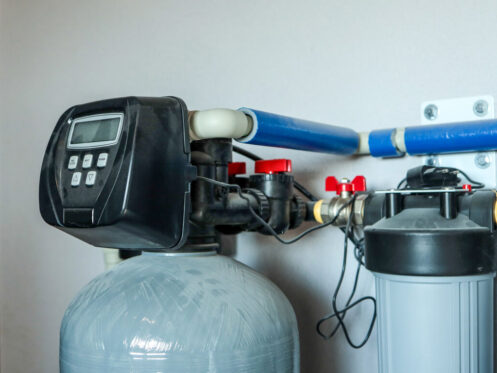
A water softener uses a process called ion exchange to remove hard water minerals. Here’s how it works:
The system contains a tank filled with resin beads charged with sodium ions. As hard water flows through the tank, the resin beads attract and capture calcium and magnesium ions, replacing them with sodium ions.
This exchange removes the hard minerals from your water before it enters your home’s plumbing. The softened water is then distributed to all your faucets, appliances, and fixtures.
Periodically, the system regenerates by flushing the collected minerals out of the resin beads using a salt solution. This process recharges the beads so they can continue softening your water.
Benefits of Installing a Water Softener
Protects Your Plumbing System
Soft water prevents limescale buildup in your pipes, maintaining proper water pressure and reducing the risk of clogs and corrosion. Your plumbing system will last longer and require fewer repairs.
Extends Appliance Lifespan
Water heaters, dishwashers, and washing machines work more efficiently and last longer when they’re not fighting mineral buildup. You’ll save money on repairs and replacement costs.
Lowers Energy Bills
Appliances operate more efficiently with soft water, using less energy to heat water and complete cycles. These energy savings add up over time, helping offset the cost of your water softener.
Cleaner Dishes and Fixtures
Without mineral deposits, your dishes come out sparkling clean and your fixtures stay cleaner longer. You’ll spend less time scrubbing stains and more time enjoying your home.
Softer Skin and Hair
Soft water allows soap and shampoo to lather properly and rinse completely, leaving your skin and hair feeling clean and moisturized instead of dry and irritated.
Better Laundry Results
Clothes get cleaner, colors stay brighter, and fabrics feel softer when washed in soft water. Your laundry will look better and last longer.
Types of Water Treatment Systems
Traditional Salt-Based Water Softeners
These systems use ion exchange to remove hard minerals and are the most effective option for treating hard water. They require regular salt refills and periodic maintenance.
Salt-Free Water Conditioners
These systems don’t remove minerals but instead change their structure to prevent them from forming scale. While they help with some hard water issues, they’re less effective than traditional softeners for very hard water.
Reverse Osmosis Systems
These systems filter water at a single point, typically under the kitchen sink, to provide purified drinking water. They remove minerals along with many other contaminants but don’t treat water for the whole house.
For comprehensive hard water protection, a whole-house water softener is the most effective solution.
Is a Water Softener Worth It?
For Phoenix homeowners dealing with hard water, a water softener is a worthwhile investment that pays for itself through:
- Reduced appliance repairs and replacements
- Lower energy bills
- Less frequent plumbing maintenance
- Better cleaning results with less soap and detergent
- Improved comfort for your skin and hair
Given Phoenix’s very hard water, most homes benefit significantly from a water softener system.
Professional Water Softener Installation in Phoenix
Choosing and installing the right water softener for your home requires expertise. At Wyman Plumbing & Mechanical, we help Phoenix homeowners find the best water treatment solutions for their specific needs.
Our team can test your water hardness, recommend the right system size and type for your household, and provide expert installation. We also offer maintenance and repair services for existing water softener systems to keep them running efficiently.
Don’t let hard water damage your home and appliances. Whether you need a new water softener installation, whole house filtration, or a reverse osmosis drinking water system, we’re here to help.
Call us at (623) 236-2097 or schedule a water treatment consultation online to learn more about your options for treating Phoenix’s hard water.