 (623) 236-2097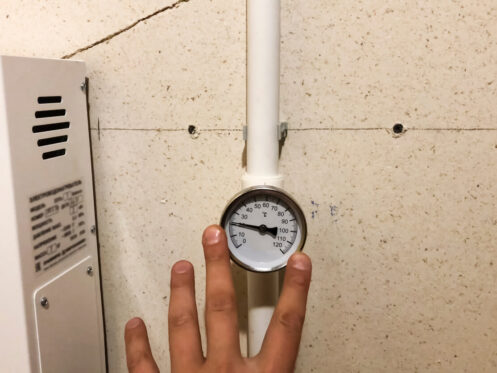
Low water pressure in your house can turn everyday tasks into frustrating ordeals. Whether it’s a weak shower stream, a kitchen faucet that takes forever to fill a pot, or a washing machine that barely gets water, poor water pressure disrupts your routine and signals potential plumbing problems.
Understanding why low water pressure happens and how to address it helps you restore normal flow and prevent more serious issues down the road.
For lasting solutions to low water pressure, trust a licensed plumbing contractor in Phoenix with over 20 years of experience handling residential plumbing issues.
What Is Normal Water Pressure?
Residential water pressure typically ranges from 40 to 60 PSI (pounds per square inch). When pressure drops below 40 PSI, you’ll notice weaker flow from fixtures throughout your home.
Water pressure starts high at municipal treatment plants and water towers, where pumps and gravity create the force needed to move water through distribution lines. By the time water reaches your home, pressure has decreased but should still provide strong, consistent flow to all your fixtures.
Your home’s plumbing system distributes that pressure throughout the house. Pipe size, condition, layout, and length all affect how much pressure reaches each faucet and appliance.
Why Low Water Pressure Matters
Ignoring low water pressure can lead to bigger problems. Hidden leaks, partially closed valves, or failing equipment force your water heater and other appliances to work harder, increasing energy costs and shortening their lifespan.
Beyond inconvenience, sudden pressure drops can indicate pipe corrosion, imminent pipe bursts, or other hazards that risk water damage to your home. Early attention prevents costly repairs and protects your property.
Signs You Have Low Water Pressure
Before calling a plumber, gather some basic information to help diagnose the issue:
Test with a pressure gauge. Attach a pressure gauge to an outdoor hose spigot or laundry sink faucet. If the reading is below 40 PSI, you have low pressure.
Check multiple fixtures. Is the problem isolated to one bathroom or affecting the entire house? Whole-home pressure loss points to main line issues, while isolated problems suggest fixture-specific causes.
Compare hot and cold water. If only hot water has low pressure, your water heater or its supply lines are likely the culprit.
Note timing. Does pressure drop during peak hours (early morning or evening)? This pattern may indicate municipal supply issues or undersized pipes struggling to meet demand.
Common Causes of Low Water Pressure in Your House
Partially Closed Main Shut-Off Valve
One of the simplest causes is a main shut-off valve that isn’t fully open. If you recently had plumbing work done or your water was shut off for any reason, someone may have forgotten to open the valve completely.
Locate your main shut-off valve near the water meter and turn it fully counterclockwise to ensure it’s completely open.
Municipal Supply Issues
Sometimes low pressure affects an entire neighborhood due to water main breaks, maintenance work, or changes in municipal pressure regulations. If your neighbors are experiencing the same issue, contact your local water utility to report the problem and ask about any known issues in your area.
Faulty Pressure-Reducing Valve
Most homes have a pressure-reducing valve (PRV) where the main water line enters the house. This valve prevents excessive pressure that could damage your plumbing. Over time, PRVs can fail or become stuck, restricting flow and lowering pressure throughout your home.
If adjusting the PRV doesn’t restore pressure, it may need replacement. This is a job for a licensed plumber who can properly install and calibrate the new valve.
Clogged Pipes from Mineral Buildup
Hard water contains high levels of minerals like calcium and magnesium. Over time, these minerals accumulate inside pipes, gradually narrowing the passage and restricting water flow. This problem is especially common in older galvanized pipes.
Phoenix’s hard water makes mineral buildup a frequent cause of low pressure in local homes. If multiple fixtures throughout your house have weak flow, mineral deposits may be clogging your pipes.
Installing a water treatment system can prevent future buildup and protect your plumbing. For pipes already heavily clogged, replacement may be necessary.
Corroded or Leaking Pipes
Aging pipes corrode from the inside out, creating rough surfaces where minerals and debris collect. Severe corrosion can cause leaks that reduce pressure and waste water.
Signs of corroded or leaking pipes include:
- Damp spots on walls or ceilings
- Hissing sounds in pipes
- Unexplained increases in your water bill
- Discolored water
If you suspect a leak, shut off your main water valve and call a plumber immediately for leak detection and repair.
Clogged Aerators and Showerheads
If low pressure affects only one or two fixtures, the problem is likely a clogged aerator or showerhead. These components have small mesh screens that filter water, and mineral deposits can block the tiny holes.
Remove the aerator or showerhead and soak it in white vinegar for 30 minutes to dissolve mineral scale. Scrub with an old toothbrush, rinse thoroughly, and reinstall.
Water Heater Sediment Buildup
Low pressure only on the hot water side often means sediment has accumulated in your water heater tank. As minerals settle at the bottom of the tank, they reduce capacity and can clog the outlet pipe.
Flushing your water heater annually removes sediment and maintains efficiency. If your water heater is over 10 years old and showing signs of failure, consider upgrading to a more efficient model.
Fixture-Specific Problems
Sometimes the issue is with a specific fixture rather than your plumbing system. Shutoff valves under sinks or behind toilets can become partially closed or corroded, restricting flow. Old, worn-out faucet cartridges can also reduce pressure.
Inspect shutoff valves to ensure they’re fully open. If the fixture itself is old or damaged, replacing it may solve the problem.
How to Diagnose Low Water Pressure
Start by determining whether you have whole-home low pressure or an isolated problem.
For Whole-Home Low Pressure
Check your pressure reading. Use a pressure gauge to confirm pressure is below the normal 40-60 PSI range.
Inspect the main shut-off valve. Make sure it’s fully open.
Listen for leaks. Walk around your home and listen near exposed pipes, the water heater, and outdoor hose connections for hissing or running water sounds.
Check your water meter. With all fixtures turned off, watch your meter. If it’s still running, you have a leak somewhere in your system.
Contact your water supplier. Ask if they’re aware of any issues affecting your area.
For Localized Low Pressure
Test the shutoff valve. Close and reopen the shutoff valve for that fixture to make sure it’s working properly.
Remove and clean aerators. Unscrew faucet aerators and showerheads to check for mineral buildup.
Inspect supply lines. Look for kinks, damage, or signs of corrosion in the pipes feeding that fixture.
DIY Fixes for Low Water Pressure
Some low pressure problems have simple solutions you can handle yourself:
Clean clogged aerators and showerheads. Soak them in vinegar and scrub away mineral deposits.
Fully open the main shut-off valve. A partially closed valve is an easy fix.
Check and adjust fixture shutoff valves. Make sure they’re turned all the way on.
Flush your water heater. Annual flushing prevents sediment buildup.
When to Call a Professional Plumber
While some pressure issues are easy DIY fixes, others require professional expertise:
- You suspect a leak but can’t locate it
- Pressure remains low after trying basic fixes
- You need to replace a pressure-reducing valve
- Pipes show signs of corrosion or damage
- Multiple fixtures have low pressure and mineral buildup is widespread
- You need to install a water treatment system
At Wyman Plumbing & Mechanical, we’ve helped countless Metro Phoenix homeowners diagnose and resolve low water pressure issues. Our licensed plumbers use advanced diagnostic tools to quickly identify the source of the problem and provide effective, lasting solutions.
Whether it’s repairing a leak, replacing corroded pipes, or installing a water treatment system to protect against hard water damage, we’re here to restore strong, reliable water pressure throughout your home.
Preventing Low Water Pressure
Taking preventive steps keeps your water flowing strong:
Install a water treatment system. Phoenix’s hard water accelerates mineral buildup. A water softener or treatment system protects your pipes and fixtures.
Flush your water heater annually. This simple maintenance task removes sediment and extends your water heater’s life.
Schedule regular plumbing inspections. Annual inspections catch small problems before they become major issues.
Replace old fixtures and pipes. Aging plumbing components gradually lose efficiency. Upgrading to modern fixtures improves performance and water conservation.
Exercise shutoff valves twice a year. Turn valves fully on and off to prevent them from seizing.
Restore Your Water Pressure with Wyman Plumbing
Don’t settle for weak water pressure. Whether you’re dealing with a simple clogged aerator or a complex system problem, professional plumbing team at Wyman Plumbing & Mechanical is ready to help.
Our experienced, licensed plumbers serve Metro Phoenix and the North Valley with honest solutions and transparent communication. We’ll diagnose your low pressure issue, explain your options, and restore the strong flow you need.
Call us at (623) 236-2097 or schedule a service online to get your water pressure back to normal.