If you live in Phoenix or the North Valley, “hard water vs soft water” isn’t some abstract plumbing debate. It shows up on your faucets, your shower doors, your water heater, your dishes, your skin, and your monthly maintenance costs. In Arizona, hard water is part of daily life for a lot of homeowners. You see it as white crust around fixtures, feel it as soap that never quite rinses clean, and pay for it when appliances wear out faster than they should.
Soft water, on the other hand, behaves differently. It lathers better, leaves behind less scale, and is generally easier on plumbing systems, fixtures, and water-using appliances. But a lot of homeowners still aren’t fully sure what the difference actually is, how it affects their home, or whether installing a water softener is worth it.
This guide breaks down hard water vs soft water in plain English. As a licensed plumber in Phoenix, AZ, we’ll cover what each one is, how to tell which type of water you have, what it means for your plumbing in Metro Phoenix, and when it makes sense to consider treatment options like a water softener or whole-home water filtration.
What is hard water?
Hard water is water that contains a high concentration of dissolved minerals, mainly calcium and magnesium. Those minerals aren’t usually dangerous to drink, but they can be rough on your plumbing system and frustrating in everyday use. Think of hard water like water carrying around extra baggage. It still gets where it’s going, but it leaves traces of itself behind everywhere.
As water moves through soil and rock, it picks up minerals naturally. In areas like Phoenix, Scottsdale, Peoria, Anthem, Cave Creek, and surrounding communities, groundwater often contains enough mineral content to create significant hardness. That means the water entering your home may already be primed to leave scale buildup inside pipes, on fixtures, and inside appliances.
Hard water is measured in grains per gallon (GPG) or milligrams per liter (mg/L). The higher the mineral content, the harder the water. In many Arizona homes, the hardness level is high enough that homeowners notice the effects quickly, even if they’ve never had their water formally tested.
What is soft water?
Soft water is water with low levels of calcium and magnesium. It may occur naturally in some regions, but in many homes, soft water is created by a water softener system. These systems remove or reduce hardness minerals through a process called ion exchange, replacing calcium and magnesium with sodium or potassium.
The result is water that interacts differently with soap, plumbing, and appliances. Soft water doesn’t leave behind the same chalky residue, and it helps reduce mineral scale inside your home’s plumbing system. It’s the difference between scrubbing at a cloudy shower door every weekend and wondering why you haven’t had to do it in months.
Soft water also changes how water feels. Some people describe it as silky or slippery at first. That sensation is usually just the absence of mineral interference. Soap rinses more completely, fabrics come out softer, and fixtures tend to stay cleaner longer.
hard water vs soft water: the main differences
The biggest difference between hard water and soft water is mineral content, but that one difference creates a domino effect throughout your home. Hard water leaves scale. Soft water does not leave nearly as much. Hard water makes soap work harder. Soft water helps soap lather and rinse more effectively.
If you’ve ever washed your hands and felt like there was still a film left behind, or noticed your dishes coming out spotted even after the dishwasher ran a full cycle, hard water is a likely suspect. If your water heater seems to struggle more than it should, scale buildup may be insulating the heating elements or narrowing internal passages.
Soft water tends to be easier on plumbing fixtures, water heaters, dishwashers, washing machines, and showerheads. Hard water tends to shorten the lifespan of those same components by forcing them to operate with mineral accumulation. It’s a little like asking your home’s plumbing system to breathe through a straw coated in chalk.
Another major difference is cleaning efficiency. With hard water, soap and detergent react with minerals instead of fully doing their job. That means you often use more soap, more detergent, and more cleaning products to get the same result. Soft water improves efficiency, which can reduce waste and make day-to-day cleaning less of a battle.
Signs you have hard water in your home
Some homeowners know they have hard water because they’ve had it tested. Others know because their house keeps dropping clues like breadcrumbs. In Phoenix-area homes, the signs are often visible long before anyone says the words “water treatment.”
One of the most common signs is white, crusty buildup around faucets, showerheads, and fixtures. You may also see cloudy spots on glassware, streaks on dishes, or a ring of mineral residue around sinks and tubs. If your showerhead starts spraying sideways like it’s angry at the wall, mineral buildup may be clogging the openings.
You might also notice soap scum building up quickly on tile, glass, and tubs. Laundry can feel stiff or look faded sooner than expected. Skin may feel dry after showers, and hair may feel dull or harder to manage. These aren’t always caused by hard water alone, but hard water often makes them worse.
There are also plumbing-related signs that are easier to miss until they become expensive. Water heaters can lose efficiency as scale builds inside the tank or on heating components. Pipes can develop internal buildup over time. Fixture cartridges, valves, and supply lines may wear out faster. If you’re replacing plumbing parts more often than seems normal, hard water may be quietly working in the background.
Is hard water bad for you?
In most cases, hard water is not considered harmful to drink. The calcium and magnesium in hard water are naturally occurring minerals, and many people consume them without any direct health concern. So if the question is, “Is hard water unsafe?” the answer is usually no.
But “not dangerous” and “not a problem” are two very different things. Hard water can still be bad for your plumbing system, your appliances, and your comfort at home. It’s a nuisance with a price tag. It may not send you to the doctor, but it can absolutely send you shopping for a new water heater sooner than you planned.
For some people, hard water can also aggravate dry skin or make hair feel brittle. Again, that doesn’t mean the water is toxic. It means the mineral-heavy water can interfere with soap rinsing cleanly and leave deposits behind on skin and hair. In a dry climate like Phoenix, where skin already takes a beating from the desert air, hard water can add one more layer of irritation.
How hard water affects plumbing systems in Phoenix
This is where the hard water vs soft water conversation gets very practical. In Metro Phoenix, hard water doesn’t just leave spots on your glasses. It can slowly chip away at the efficiency and lifespan of your plumbing system.
Mineral scale builds up inside pipes, water heaters, tankless water heaters, shut-off valves, fixtures, and appliances. Over time, that buildup can restrict water flow and force equipment to work harder. In a traditional tank water heater, sediment and scale can settle in the tank and reduce heating efficiency. In a tankless unit, mineral buildup can become even more of a maintenance issue if the system isn’t flushed properly.
That matters because Phoenix-area homeowners rely heavily on plumbing systems year-round. Between hard water conditions and high usage, fixtures and equipment can take a beating. Water softeners, reverse osmosis systems, and whole-home filtration setups are popular here for a reason. They’re not luxury add-ons in many homes. They’re practical tools for protecting plumbing and improving water quality.
If you’ve ever had to replace a pressure-reducing valve, shower cartridge, water heater, or clogged fixture sooner than expected, hard water may have played a part. Mineral buildup is sneaky. It doesn’t usually fail all at once. It just quietly narrows, coats, and stiffens everything until one day the problem becomes impossible to ignore.
Which is better: hard water or soft water?
For plumbing performance and household convenience, soft water is usually the better option. It reduces scale buildup, improves soap efficiency, and helps fixtures and water-using appliances last longer. If your goal is to protect your home’s plumbing system and cut down on cleaning headaches, soft water wins the argument pretty clearly.
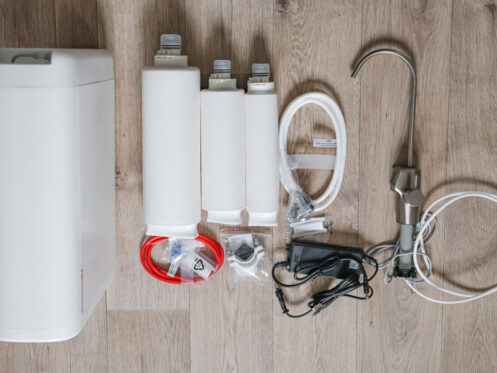
That said, some people prefer the taste of untreated water, and some homes use a combination approach. For example, a homeowner might install a whole-home water softener to protect plumbing and then use a reverse osmosis drinking water system at the kitchen sink for cleaner-tasting water. That setup is common in Arizona because it addresses both plumbing protection and drinking water quality.
The better choice depends on what you’re trying to solve. If you’re tired of scale buildup, dry skin, spotted dishes, and appliance wear, soft water offers clear advantages. If you’re mainly focused on drinking water taste, odor, or specific contaminants, a separate filtration system may also make sense.
How to know if you need a water softener
If your home has visible scale buildup, recurring fixture issues, cloudy glassware, soap scum, or high water hardness levels, a water softener is worth serious consideration. In Phoenix, many homeowners don’t ask whether they have hard water. They ask how much damage it’s already doing.
A professional water test is the best place to start. That gives you a clear picture of your hardness level and helps determine whether treatment is recommended. It also helps identify whether you may benefit from other water quality solutions, such as filtration, conditioning, or reverse osmosis.
A water softener is especially helpful if your home has:
- Persistent hard water scale on fixtures and glass
- A tank or tankless water heater
- Repeated plumbing repairs related to valves, cartridges, or buildup
- Dry skin and hair complaints
- Poor soap performance in showers, sinks, or laundry
- Expensive appliances you want to protect
In a place like Phoenix, installing a water softener can be less about upgrading and more about stopping the slow grind of mineral damage before it gets more expensive.
Water softeners vs other water treatment options
A water softener is designed specifically to reduce hardness minerals like calcium and magnesium. That makes it the go-to solution for hard water problems. But it’s not the same thing as a filtration system, and that distinction matters.
Whole-home water filtration systems are built to address other water quality concerns, such as sediment, chlorine, taste, or odor. Reverse osmosis systems are usually installed at a single tap, often in the kitchen, to improve drinking water quality by removing a much wider range of dissolved contaminants.
In many Phoenix homes, the best setup is not one or the other. It’s a layered approach. A water softener handles the hard water. A filtration system improves overall water quality. A reverse osmosis system provides cleaner drinking water at the tap. Each system has a different job, and when they’re chosen correctly, they work together instead of overlapping.
Final thoughts on hard water vs soft water
When comparing hard water vs soft water, the difference is bigger than taste or feel. It affects your pipes, your fixtures, your water heater, your cleaning routine, and your long-term plumbing costs. Hard water is common in Phoenix, and while it may be normal for the area, that doesn’t mean you have to simply live with the consequences.
Soft water is generally easier on your home and easier on the people living in it. It helps reduce scale, protects plumbing components, improves soap performance, and can make daily life noticeably less irritating. If your home is showing the classic signs of hard water, it may be time to stop treating the symptoms and start addressing the source.
At Wyman Plumbing & Mechanical, we help homeowners throughout Phoenix and the North Valley with water softeners, reverse osmosis systems, whole-home water filtration, water heater service, and plumbing solutions built around Arizona’s hard water conditions. If you’re noticing mineral buildup, water quality issues, or plumbing wear that seems to keep coming back, our team can help you understand your options and choose a solution that fits your home, your budget, and your long-term goals.